


Human Trafficking: Research Raises Alarm Over Weak Enforcement in Ondo
By Bintu Imran
A research report on human trafficking in Ondo State has revealed inadequate awareness of trafficking in rural communities, with a significant number of victims reportedly coming from such areas.
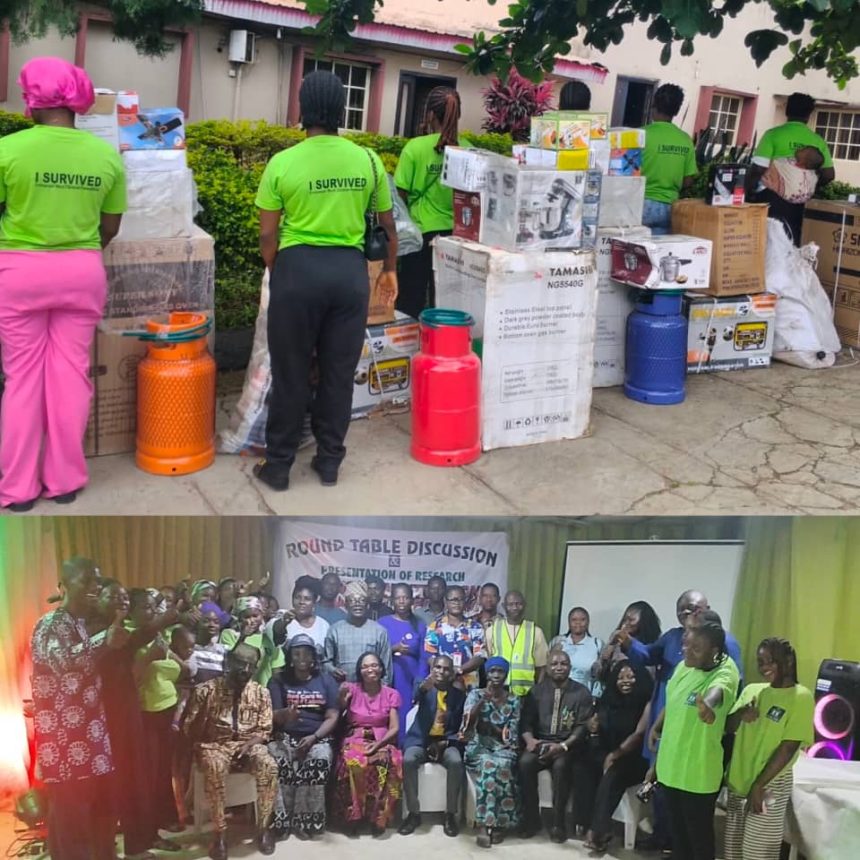
The research, conducted and funded by the Emmanuel World Children Foundation, was presented to stakeholders in Ondo State as part of a programme aimed at strengthening efforts to prevent human trafficking and support survivors.
The study is described as the first research of its kind specifically focused on the situation of human trafficking in Ondo State. Its findings showed that many residents in rural communities lack adequate information about human trafficking, making people in such areas particularly vulnerable to traffickers.
The research also highlighted concerns over law enforcement, noting that despite an increase in reported trafficking cases and the identification of victims, only a few respondents knew of anyone who had been arrested for trafficking-related offences.
The finding, according to the report, points to gaps in enforcement and the need for law enforcement agencies to strengthen investigation, arrest and prosecution of trafficking offenders.
Stakeholders at the programme included representatives of the Commissioners for Budget and Planning and Information and Orientation, the Commissioner of Police, the Christian Association of Nigeria (CAN), the Pentecostal Fellowship of Nigeria (PFN), the State Chairman of NGOs in Ondo State and the State Coordinator of the National Orientation Agency (NOA).
Others were the State Controller of the Federal Ministry of Labour, the Ondo State Commander of the National Agency for the Prohibition of Trafficking in Persons (NAPTIP), and the NAPTIP State Commandant in Ekiti State.
The programme also featured the empowerment of 15 human trafficking survivors drawn from Imo, Delta, Benue, Lagos, Ondo, Abia and Ekiti states to support their reintegration and economic independence.
Six survivors engaged in hairdressing received equipment including generators, solar-powered lights, hair dryers and clippers, while five survivors involved in catering were provided with cookers, gas cylinders, dough mixers, large blenders or grinders, pressure pots and solar lamps.
Two survivors engaged in frozen-food businesses received deep freezers, weighing scales, electric fans and solar-powered kits, while survivors involved in soap-making, footwear and foodstuff and provision businesses also received relevant equipment and materials.
The organisers said the programme built on previous interventions by the Emmanuel World Children Foundation, adding that the new research would provide a baseline for government agencies, professionals and non-state actors working to combat human trafficking in Ondo State.
The foundation stressed the importance of using the findings to strengthen awareness campaigns, particularly in rural communities, while improving collaboration among stakeholders and enhancing enforcement against human traffickers.


