


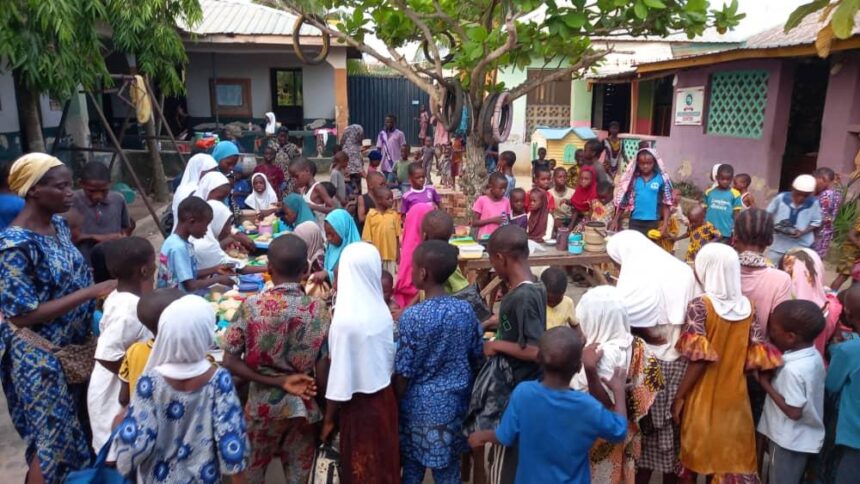
GreenpeaceOVC1110 Launches Digital Hub to Empower Orphans and vulnerable children with Tech and Agricultural Skills.
By Khadijat Salaudeen-Okoro
In a bold step toward bridging the digital divide in rural communities, GreenpeaceOVC1110, a non-governmental organization, has announced plans to establish its own digital hub, a center designed to train orphans and vulnerable children in technology and agriculture.
The initiative, known as Greenpeace Silicon, aims to make orphans digitally literate and self-reliant by equipping them with skills for the 21st-century workforce. For Dr. Abdulsalam, this new chapter marks another milestone in his lifelong mission to empower 1,110 orphans by the year 2050 — a journey that began from personal submissive and divine preservation.
“We want to train our children to be digitally compliant,” Abdulsalam explained. “Our goal is to enroll as many as possible into technology and agriculture. Greenpeace Silicon will serve as a hub where they can learn, explore, and innovate during their holidays and beyond.”
Founded in 2010, GreenpeaceOVC1110 — which stands for Orphan and Vulnerable Children — was born out of Abdulsalam’s conviction that his survival from two separate plane crash near-misses was a sign to dedicate his life to serving humanity. What began as a small orphanage in his home has since grown into a full-fledged center providing education, healthcare, and moral guidance to hundreds of children across Nigeria.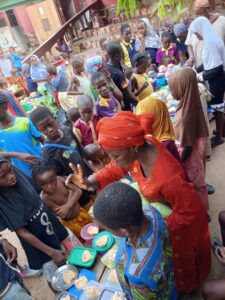
Today, the organization celebrates 15 years of impact, with 340 children enrolled and 15 graduates who have gone on to live independent and productive lives.
“I believe Allah preserved me for a purpose,” Abdulsalam said. “That purpose is to give hope, education, and transformation to those who have lost everything.”
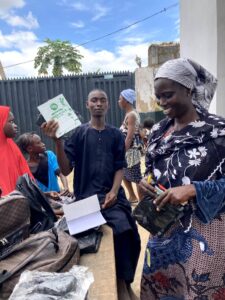
The Greenpeace Silicon Hub represents the organization’s most ambitious project yet. With the world rapidly moving toward digital solutions, Abdulsalam believes poor children in rural communities should not be left behind.
The hub, still under construction, will feature digital classrooms, training labs, and agricultural tech programs where children will learn coding, robotics, and sustainable farming methods.
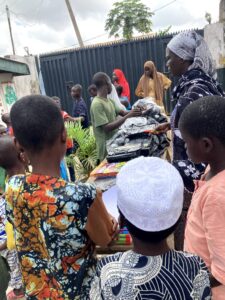
“Technology and agriculture are the future of development,” Abdulsalam said. “We want to prepare our children for that future, not as dependents, but as contributors and innovators.”
GreenpeaceOVC1110 operates as more than just a home for orphans. The center includes a clinic, pharmacy, school, and masjid (mosque) to cater to the physical, educational, and spiritual needs of its children. The school clinic also serves the surrounding rural community, providing healthcare first Aids access to those who need it most.
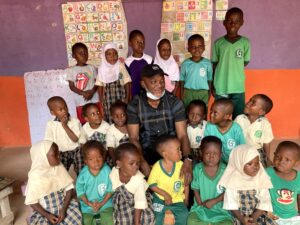
Despite its successes, the organization continues to face challenges, including high feeding costs, limited space for new children, and the ongoing construction of the digital hub. Abdulsalam is calling on the public, philanthropists, and corporate organizations to partner in realizing the vision.
“Our digital hub is still under construction — we need support for expansion,” he appealed. “We also need a school bus to help the children attend educational programs outside the home. Even laptops, desktops, or used gadgets can make a difference.”
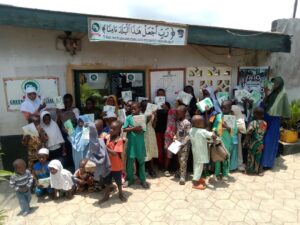
Beyond financial support, Abdulsalam emphasizes moral integrity and community involvement. He cautions against deceit by some who falsely present children as orphans to gain assistance, urging the public to prioritize honesty and genuine compassion.
He also advocates for what he calls “Dawah of Priority” — a focused approach to community service where each organization concentrates on one impactful area.
“At Greenpeaceovc1110, our focus is orphans and vulnerable children. That is our Dawah of Priority,” he said. “If every organization can focus and collaborate, we can create a stronger, more sustainable society.”
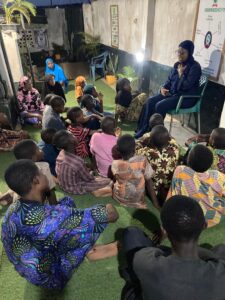
As GreenpeaceOVC 1110 looks toward its 2050 target, the organization’s vision remains clear: to build a future where orphans and vulnerable children in rural communities have the skills, confidence, and opportunities to thrive.
“We don’t want poverty or lack of education to push children into cities to become miscreants,” Abdulsalam explained. “Instead, we want to empower them within their communities to become useful, responsible, and relevant citizens.”
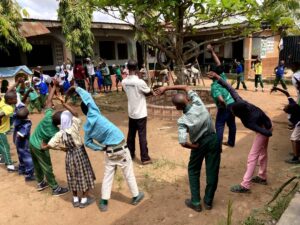
From a man who narrowly escaped death twice through plan crash to one shaping hundreds of young lives, Dr. Adetokunbo Abdulsalam’s story is a testament to faith, purpose, and transformation. With the Greenpeace Silicon Hub, he is not just building a facility — he is building future
GreenpeaceOVC1110 welcomes donations in cash or kind, including food, educational materials, laptops, and tech equipment. Volunteers are also encouraged to visit, mentor, or inspire the children.
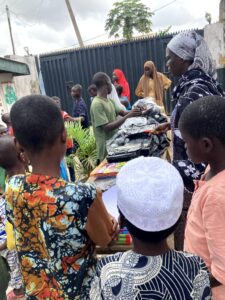
For partnerships and support, contact Green PeaceOVC1110 through their official communication channels.l0



